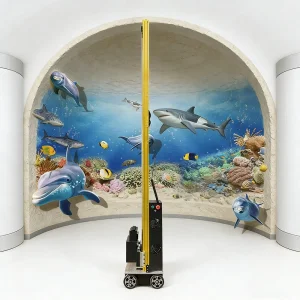
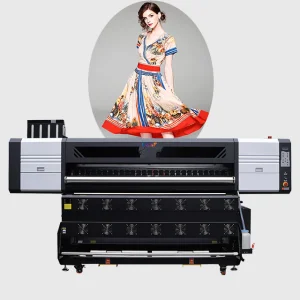
The global textile industry is undergoing its most significant transformation since the Industrial Revolution. As consumer demand shifts toward hyper-personalization and sustainable manufacturing, the limitations of traditional screen printing—water intensity, long lead times, and massive MOQ requirements—have become operational liabilities. This white paper explores why the "Top 10 Textile Digital Printer Factories & Suppliers" are no longer just equipment vendors; they are strategic partners in the circular economy.
Guangzhou Axis Print Co., Ltd. today announced its continued expansion in the field of industrial digital printing, reinforcing its position as a forward-looking provider of integrated solutions across surface decoration and advanced inkjet technology. Headquartered in Guangzhou, the company specializes in developing high-performance systems that enable manufacturers to achieve precision, flexibility, and efficiency in modern production environments.
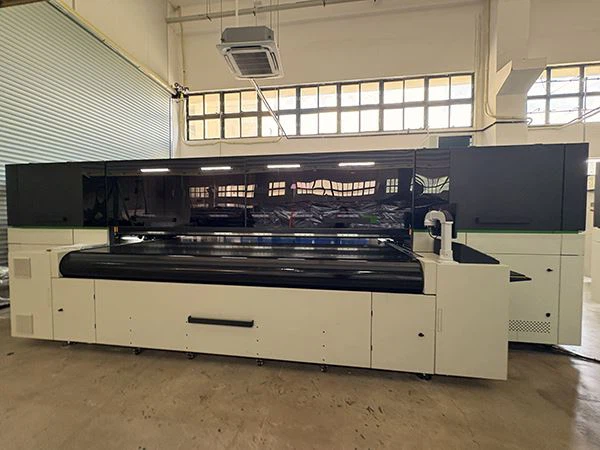
With a strong focus on industrial digital printing, surface treatment, and inkjet integration, Axis Print delivers versatile equipment tailored for industries such as textiles, ceramics, glass, and building materials. Its solutions are designed to streamline complex workflows, allowing seamless transitions from design to finished product while reducing material waste and operational costs.
Choosing a supplier from the "Top 10" list often leads procurement officers to China. But why? The advantage goes beyond simple labor costs. It is about ecosystem maturity.
Chinese factories like Axis Print have mastered the integration of Japanese piezoelectric heads (Epson I3200, Ricoh G5/G6) with proprietary control boards, offering performance that rivals European brands at 40% of the cost.
From the CNC machining of the aluminum frames to the synthesis of reactive and sublimation inks, the entire supply chain is localized in hubs like Guangzhou and Zhejiang, ensuring rapid spare parts availability.
Unlike Western counterparts that release new models every 3-5 years, Chinese manufacturers iterate annually, incorporating real-time feedback from the world's largest domestic textile market.
At the core of the company’s innovation is its advanced inkjet technology, which ensures high-resolution output, consistent color performance, and compatibility with a wide range of substrates. By combining intelligent control systems with automated production capabilities, Axis Print empowers manufacturers to scale operations while maintaining strict quality standards.
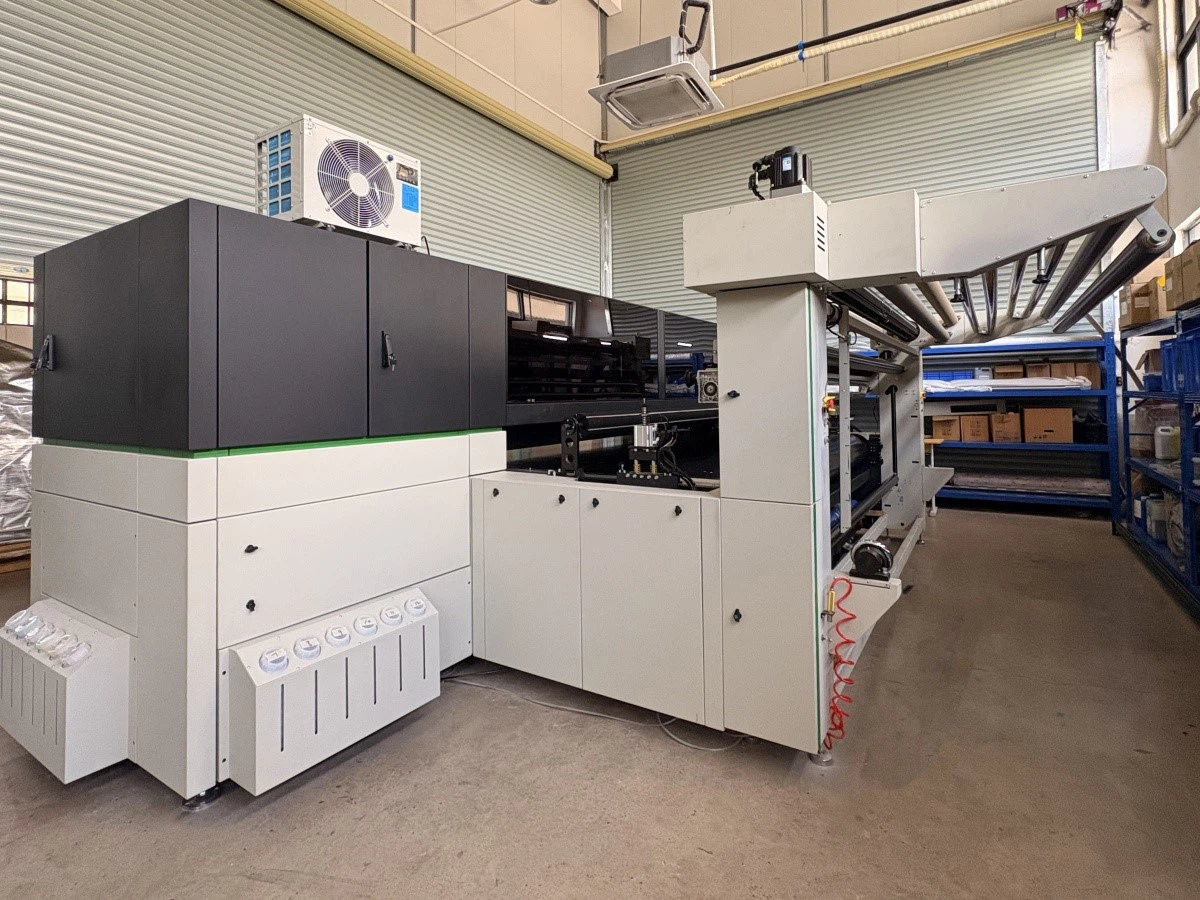
Digital printing is no longer confined to T-shirt shops. We are seeing a "Digital-First" approach across macro-industrial sectors:
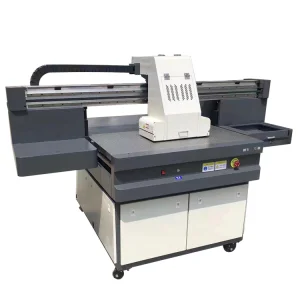
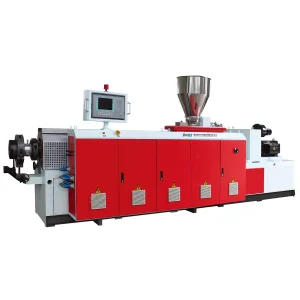
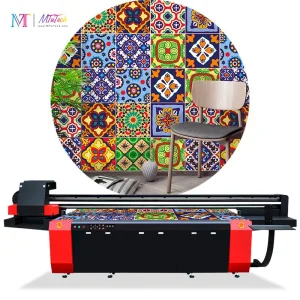
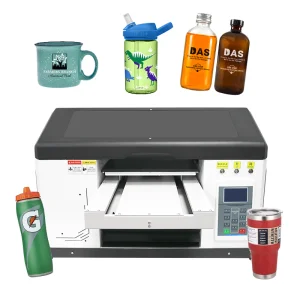
Advanced UV flatbed and belt-driven printers are now used to create high-resolution textures on WPC (Wood Plastic Composite) and PVC foam boards. As seen in the Jwell 1-40mm UV Printing line, manufacturers can simulate expensive marble or rare wood grains for kitchen cabinets and interior wall panels with 3D embossed effects.
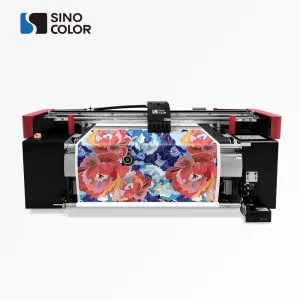
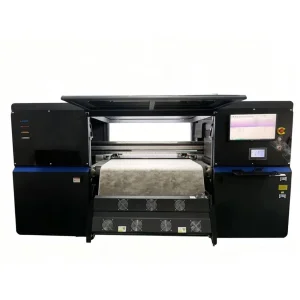
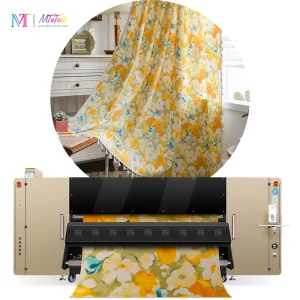
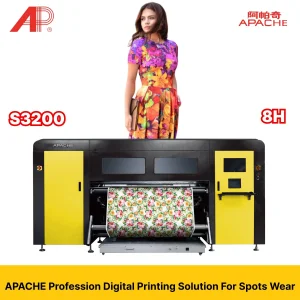
For the fashion industry, the Sinocolor High Speed 2400dpi Digital Belt Fabric Printer represents the pinnacle of high-volume output. Using reactive or pigment inks, these machines can print 100+ sqm/h, making them viable for mass-market apparel production without the environmental footprint of traditional dyeing.
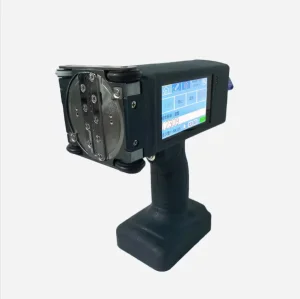
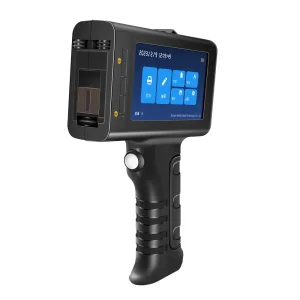
Beyond aesthetics, digital inkjet technology serves functional needs. Portable TIJ and Large Character Printers (like the 60mm Handheld Dod) allow for real-time expiry date printing and logistics tracking on everything from glass bottles to metal pipes.
Based on our analysis of search intent from global procurement officers (B2B), there are four critical "Trust Signals" that define a top-tier supplier:
In response to growing global demand for customized and sustainable production, Guangzhou Axis Print Co., Ltd. continues to invest in research and development, enhancing its portfolio of digital printing and surface processing solutions. The company remains committed to delivering reliable, efficient, and future-ready technologies that support the ongoing transformation of industrial manufacturing worldwide.
 Axis Print