In the rapidly changing landscape of global manufacturing, traceability, precision branding, and permanent surface treatments have transitioned from standard compliance requirements to key vectors of product differentiation and brand protection. As global industries seek ever-higher throughput combined with microscopic precision, the sourcing of industrial laser etching machinery has shifted toward direct collaborations with sophisticated Chinese manufacturers. These suppliers do not merely offer cost advantages; they deliver complex R&D ecosystems, agile engineering customizability, and direct integration with Smart Factory (Factory 4.0) infrastructures.
Guangzhou Axis Print Co., Ltd., a leader in industrial digital printing and advanced surface treatment systems, recognizes that laser marking and digital inkjet deposition represent two sides of the same coin: high-speed, digitalized surface modification. Whether marking industrial tags and labels or engraving delicate materials, modern laser systems must function flawlessly within automated assembly chains, guaranteeing operational uptime and consistent thermal precision.
The global market for industrial laser marking, engraving, and etching is experiencing a profound technological convergence. Traditional mechanical engraving, chemical etching, and simple rotary printing are being systematically phased out due to environmental regulations, chemical waste disposal costs, and throughput limitations. Key drivers shifting the demand toward wholesale China laser suppliers include:
Navigating the complex catalog of wholesale suppliers requires a deep technical understanding of laser architectures. Selecting the wrong laser type can result in heat-affected zone (HAZ) damage, poor legibility, or production slowdowns. Below is a comparative guide designed to inform procurement decisions:
| Laser Category | Wavelength Range | Primary Substrates | Best Applications | Key Technical Advantage |
|---|---|---|---|---|
| Fiber Lasers | ~1064 nm | Stainless steel, aluminum, brass, titanium, hard plastics | High-speed industrial serial codes, barcode etching, metal annealing | Ultra-low maintenance, lifespan exceeding 100,000 hours, extreme durability |
| CO2 Lasers | 9.3 μm - 10.6 μm | Wood, glass, acrylic, paper, leather, textiles | Packaging date-coding, architectural wood, apparel cutting/marking | Exceptional absorption rate in organic substrates, cost-effective scaling |
| UV (Ultraviolet) Lasers | ~355 nm | Silicone, delicate polymers, glass, sapphire, PCBs | "Cold marking" in medical components, microelectronics, pharmaceutical glass | Negligible heat-affected zone (HAZ), eliminates thermal deformation risks |
| Green Lasers | ~532 nm | Reflective metals (gold, copper), plastics, silicon wafers | Micro-electronics component etching, solar panel scribing | High absorption rates on highly reflective materials, precision micro-beams |
Procurement Tip: Fiber laser systems using MOPA (Master Oscillator Power Amplifier) pulse controls offer adjustable pulse durations. This allows manufacturers to mark colors on stainless steel or achieve high-contrast, non-destructive black marks on anodized aluminum, a capability highly sought after by premium consumer electronics brands.
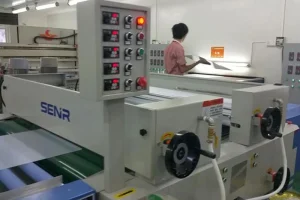
China’s major manufacturing regions, particularly Guangzhou, benefit from highly localized component ecosystems. Within a two-hour radius, suppliers can source high-precision optical galvanometers, premium laser sources (such as Raycus, JPT, and Maxphotonics), dynamic focusing linear stages, and industrial-grade power units. This close proximity drastically minimizes logistical lag and accelerates custom prototyping.
Unlike rigid Western distribution channels, Chinese OEM/ODM suppliers thrive on custom configurations. If an automotive line requires custom-shaped enclosures to fit inside a robotic cell, or a pharmaceutical packer needs specialized split-beam UV markings, engineering departments can design, simulate, and manufacture custom mounting structures in days rather than months.
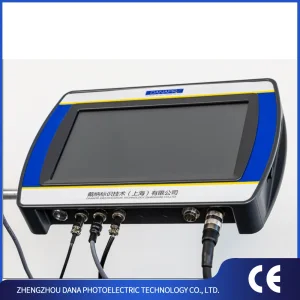
China's Industrial IoT boom has driven laser suppliers to standardize communication protocols. Modern laser systems are shipped with complete support for PLC control interfaces (EtherNet/IP, Modbus, Profinet) and SDK libraries. This facilitates direct linking with Manufacturing Execution Systems (MES) and enterprise resource planning systems (ERP) to log serialized production data automatically.
Guangzhou Axis Print Co., Ltd. today announced its continued expansion in the field of industrial digital printing, reinforcing its position as a forward-looking provider of integrated solutions across surface decoration and advanced inkjet technology. Headquartered in Guangzhou, the company specializes in developing high-performance systems that enable manufacturers to achieve precision, flexibility, and efficiency in modern production environments.
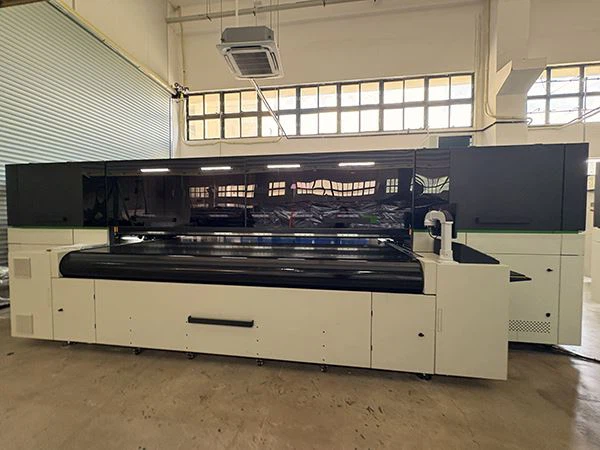
With a strong focus on industrial digital printing, surface treatment, and inkjet integration, Axis Print delivers versatile equipment tailored for industries such as textiles, ceramics, glass, and building materials. Its solutions are designed to streamline complex workflows, allowing seamless transitions from design to finished product while reducing material waste and operational costs.
At the core of the company’s innovation is its advanced inkjet technology, which ensures high-resolution output, consistent color performance, and compatibility with a wide range of substrates. By combining intelligent control systems with automated production capabilities, Axis Print empowers manufacturers to scale operations while maintaining strict quality standards.
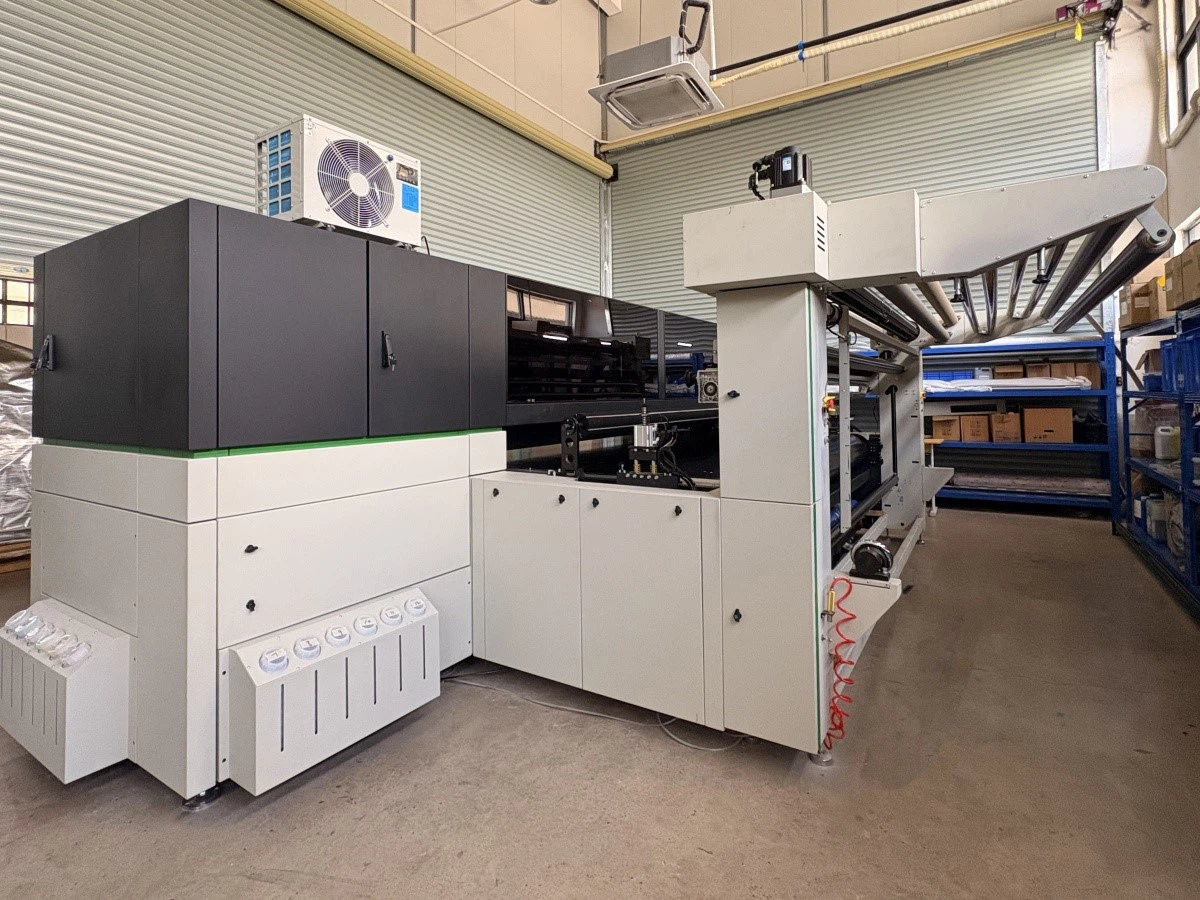
In response to growing global demand for customized and sustainable production, Guangzhou Axis Print Co., Ltd. continues to invest in research and development, enhancing its portfolio of digital printing and surface processing solutions. The company remains committed to delivering reliable, efficient, and future-ready technologies that support the ongoing transformation of industrial manufacturing worldwide.
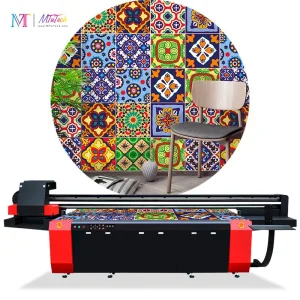
In modern mass-customization scenarios, laser etching and industrial inkjet technologies are increasingly deployed together. For instance, in structural glass processing or automotive trim production, an inkjet printer deposites base coats or high-resolution designs (utilizing UV-curable inks), while high-precision fiber or UV laser marking units etch structural alignment marks, barcodes, and serial identification numbers. By aligning with a technical provider like Guangzhou Axis Print Co., Ltd., global distributors can build hybrid assembly configurations that manage decorative layers and physical part marking in a synchronized process.
When evaluating wholesale suppliers and exporters for industrial laser etching machinery, procurement executives must look beyond hardware unit pricing. A comprehensive total-cost-of-ownership (TCO) evaluation framework should include:
The laser source represents the core capital expenditure. Global buyers must demand test reports of the laser source's beam quality factor (M² < 1.3 is critical for high-resolution micro-etching). Brands like JPT or Raycus offer robust performance profiles for fiber lasers, whereas IPG remains the premium global standard. Ensure the supplier provides verified power stability tests over 24-hour continuous operations.
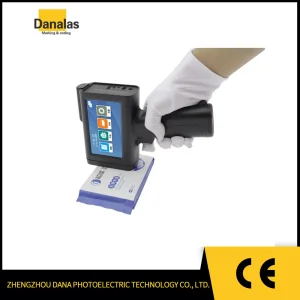
Laser radiation safety is strictly monitored under international guidelines. Direct exporting requires machines to meet FDA Class I or Class IV standards. Handheld systems must have integrated proximity sensors and interlock switches, while stationary systems must incorporate protective optical viewing windows that filter specific laser wavelengths (e.g., OD 6+ protection for 1064nm wavelength).
The scanning system, which moves the laser beam using microscopic mirrors, determines the etching speed. High-speed digital galvos can reach write speeds up to 8,000 mm/s. Procurement audits must verify that mirror coatings match the laser wavelength to prevent heat buildup and scanning drift over long operating cycles.
The software interface must support industry-standard vector files (DXF, AI, PLT) and raster image formats. Additionally, look for EZCAD-based interfaces or custom proprietary software that seamlessly translates incoming serial strings from barcode scanners into unique, dynamic QR codes without operational lag.
To understand the versatility of modern laser etching and digital printing technology, consider how these systems are implemented across various localized manufacturing hubs globally:
In Germany’s automotive corridors, laser systems are used for deep metal engraving on transmission housings and cylinder heads. The mark must remain legible after high-pressure engine washing and exposure to engine oils. Fiber laser etching generates deep cavities that resist wear and remain scannable across the vehicle's lifespan.
In Vietnam and Taiwan's electronics assembly centers, UV lasers perform micro-etching on delicate PCB materials and flexible circuits without causing thermal stress to nearby semiconductors. Additionally, fiber lasers are utilized to etch the iconic, ultra-sharp logo reliefs on anodized aluminum laptop shells.
In medical clusters across Switzerland and the US, surgical instruments and implants must carry unique identification numbers that do not create surface micro-crevices where bacteria can grow. Laser annealing changes the color of surgical-grade stainless steel without eroding the passivated surface layer, ensuring rust resistance and sterility.
Though often used interchangeably, they refer to distinct physical processes. **Laser Marking** uses low-power beams to alter surface colors (like annealing on steel) without removing material. **Laser Etching** melts the surface, causing it to expand and create raised, high-contrast marks. **Laser Engraving** uses high-power beams to ablate (vaporize) the material, creating deep cavities that can withstand heavy physical wear.
Premium Chinese brands like Raycus, JPT, and Maxphotonics undergo rigorous factory testing. When importing, request testing documentation covering power fluctuation metrics (which should be <±2%), beam quality (M²), and electro-optical conversion efficiency metrics. For high-speed lines, check if the source supports high frequency ranges (e.g., JPT MOPA sources supporting up to 4000 kHz).
Fiber lasers are virtually maintenance-free. Because they do not use internal gas reservoirs, lamps, or complex optical alignment mirrors, the primary maintenance tasks are keeping the f-theta focusing lens clean using optical-grade wipes and ensuring the cooling fans and air ducts remain free of dust.
Yes. Modern industrial laser control boards support Modbus, RS232, and Ethernet communications. This allows a central PLC to command the laser to load specific files, inject dynamic text strings (like current time, shift code, or sequential numbers), trigger the marking sequence, and return progress signals back to the PLC.
Laser etching generates fine particulate dust and fumes (especially when marking plastics or engraving metals). Without adequate smoke extraction, these particles will settle on the f-theta lens. When the laser fires, the debris absorbs laser energy, overheats, and permanently damages the optical lens coating. High-quality extraction systems are critical to protect both workers and optics.
 Axis Print