Engineered for extreme reliability, multi-substrate flexibility, and zero-inventory digital efficiency across global manufacturing sectors.
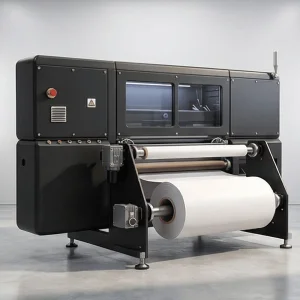
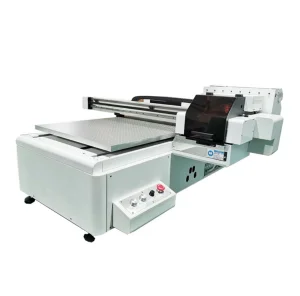
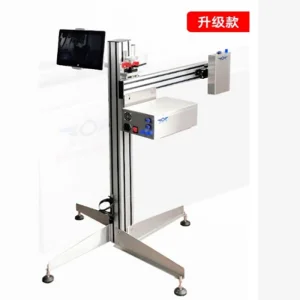
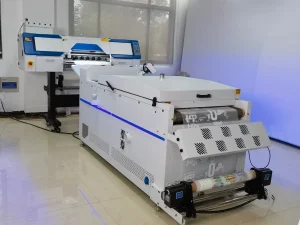
Analyzing how precision Drop-on-Demand (DoD) piezo technology, digital workflows, and instant-cure chemistries are redefining global textile supply chains.
Traditional rotary and flatbed screen printing required extensive setup times, chemical emulsion baths, and high minimum order quantities (MOQs). Modern industrial digital printing eliminates photolithographic plates, converting raster design vectors directly to variable micro-droplets. This paradigm shift grants manufacturers the strategic capability to execute ultra-fast turnaround production cycles with zero setup penalty.
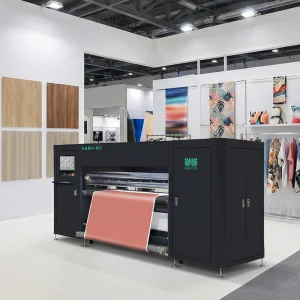
Through multi-channel printhead architecture—incorporating Epson I3200-A1, S3200, and Ricoh Gen6 technology—digital textile engines achieve native resolution scaling up to 2400 DPI. By controlling picoliter drop volume (from 2.5pl to 12pl), state-of-the-art inkjet systems reproduce photorealistic gradients, complex architectural wood grains, and vivid textile patterns far surpassing analog color boundary limitations.
Environmental compliance has evolved from a regulatory requirement into a core brand equity metric. Digital pigment and UV-curable inkjet formulations dramatically reduce water consumption by up to 90% and eliminate toxic wastewater effluent associated with traditional dye bath steaming and washing processes, directly serving ESG goals of multinational retailers.
How forward-thinking B2B procurement leaders evaluate OEM/ODM partners, Total Cost of Ownership (TCO), and substrate versatility.
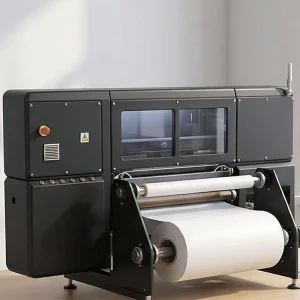
Global e-commerce brands and home decor conglomerates are systematically abandoning traditional inventory-heavy procurement models. Enterprise buyers mandate on-demand manufacturing pipelines where digital files trigger direct fabrication. China-based original equipment manufacturers (OEMs) provide high-throughput continuous roll-to-roll and wide-format flatbed architectures optimized for rapid fashion cycles, customized interior surfaces, and localized packaging runs.
Procurement evaluations extend beyond initial hardware purchase prices. Tier-1 global buyers conduct rigorous TCO analysis encompassing drop volume efficiency, ink jetting stability, printhead lifecycle longevity, energy draw per square meter, and automated self-cleaning maintenance routines. Suppliers offering modular upgrades, open ink system architecture, and low consumable degradation secure long-term operational contracts.
| Performance Benchmark | Traditional Rotary/Flat Screen | Modern Industrial Digital Inkjet | Strategic Advantage |
|---|---|---|---|
| Setup Lead Time | 7 to 21 Days (Plate Creation) | < 15 Minutes (RIP Software Digital Vector) | Near-Instant Time-to-Market |
| Minimum Order Quantity | 3,000 - 5,000 Meters | 1 Meter / Single Unit customization | Zero-Risk Inventory Management |
| Color Fidelity & Gradients | Limited to 8-12 Solid Colors | Unlimited Dynamic Continuous Tones | Photorealistic Surface Rendition |
| Water & Chemical Waste | High Effluent Volume (Dye Baths) | Near-Zero Liquid Discharge (Pigment/UV) | Full Environmental ESG Alignment |
| Substrate Versatility | Fiber Specific Screens | Textile, PVC, Wood, Glass, Acrylic, Cardboard | Cross-Industry Applications |
Exploring how Guangzhou’s high-tech manufacturing hubs unify precision hardware engineering, RIP software algorithms, and component supply chains.
Guangzhou represents the epicenter of global industrial inkjet development. The concentrated supply chain ecosystem integrates micro-piezo printhead calibration laboratories, servo motor manufacturers, linear guide rail engineering, and customized UV ink formulation plants within a tightly coordinated regional operational footprint.
Modern Chinese manufacturers do not merely assemble components; they develop tailored firmware and RIP (Raster Image Processor) software integrations. This custom algorithm layer ensures exact drop placement accuracy during high-speed multi-pass printing, neutralizing mechanical vibration and guaranteeing color consistency across thousands of continuous running hours.
Every commercial printing engine built in Guangdong undergoes rigorous testing under simulated industrial environments. From thermal shock testing of UV lamp curing modules to high-speed ink feed line pressure balance evaluations, Chinese manufacturers enforce rigorous operational checks prior to international export clearance.
From high-end fashion apparel to architectural wall paneling and industrial packaging, explore how advanced digital printing technology penetrates commercial sectors.
Dye-sublimation and Direct-to-Film (DTF) solutions allow fashion brands to create vibrant sportswear, customized silk scarves, and high-durability synthetic textiles. High-density white ink circulating systems prevent nozzle clogging, enabling crisp graphics on both dark and light polyester or cotton substrates.
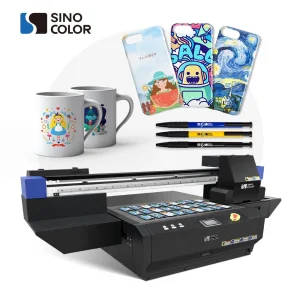
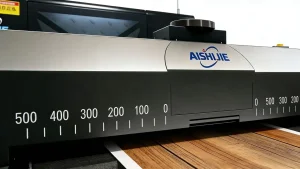
High-resolution UV flatbed systems print hyper-realistic marble textures, tactile wood grains, and 3D embossed finishes onto MDF boards, ceramic tiles, acrylic sheets, and interior doors. This opens customized interior decoration opportunities for commercial real estate developers and furniture manufacturers.
Single-pass digital packaging printers revolutionize box manufacturing. By eliminating traditional flexo plate costs, box makers can produce personalized corrugated packaging, localized retail displays, and short-run e-commerce boxes with rapid turnaround times.
Rotary UV printing attachments enable seamless 360-degree direct printing on cylindrical and conical objects, including glass milk bottles, stainless steel tumblers, and cosmetic containers, bypassing traditional plastic label application processes.
Pioneering integrated industrial printing, advanced surface processing, and custom inkjet engineering.
Guangzhou Axis Print Co., Ltd. today announced its continued expansion in the field of industrial digital printing, reinforcing its position as a forward-looking provider of integrated solutions across surface decoration and advanced inkjet technology. Headquartered in Guangzhou, the company specializes in developing high-performance systems that enable manufacturers to achieve precision, flexibility, and efficiency in modern production environments.
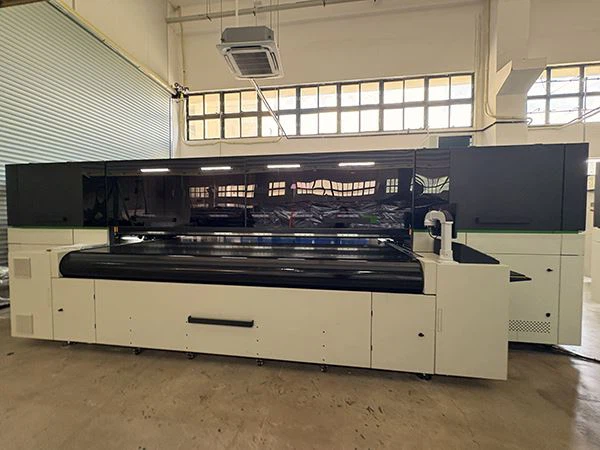
With a strong focus on industrial digital printing, surface treatment, and inkjet integration, Axis Print delivers versatile equipment tailored for industries such as textiles, ceramics, glass, and building materials. Its solutions are designed to streamline complex workflows, allowing seamless transitions from design to finished product while reducing material waste and operational costs.
At the core of the company’s innovation is its advanced inkjet technology, which ensures high-resolution output, consistent color performance, and compatibility with a wide range of substrates. By combining intelligent control systems with automated production capabilities, Axis Print empowers manufacturers to scale operations while maintaining strict quality standards.
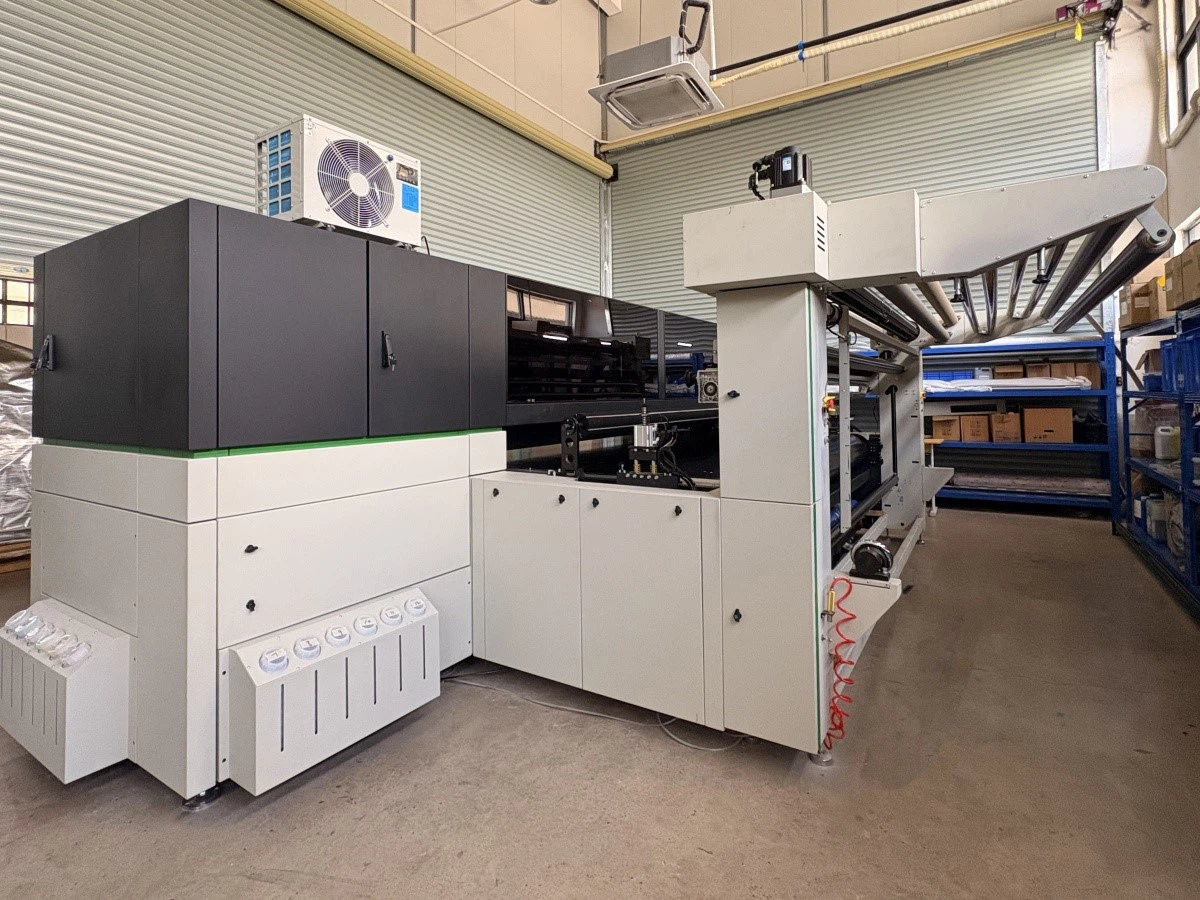
In response to growing global demand for customized and sustainable production, Guangzhou Axis Print Co., Ltd. continues to invest in research and development, enhancing its portfolio of digital printing and surface processing solutions. The company remains committed to delivering reliable, efficient, and future-ready technologies that support the ongoing transformation of industrial manufacturing worldwide.
Technical, commercial, and operational insights for industrial buyers and enterprise engineers.
Digital textile design eliminates screen production costs, lengthy color-matching phases, and high minimum order constraints. It enables direct computer-to-fabric printing with virtually unlimited color variations, ultra-fast sampling turnaround (<24 hours), and minimal water and chemical consumption, making it ideal for print-on-demand business models.
Axis Print integrates professional RIP color-management engines, precise waveform voltage control, and closed-loop calibration. Combined with constant-temperature sub-tank ink systems and stable linear encoders, our machines maintain consistent droplet volume and color fidelity across continuous production cycles.
Industrial UV flatbed and inkjet systems accept a vast range of rigid and flexible materials including textiles, glass, ceramic tiles, acrylics, PVC, MDF boards, corrugated cardboard, natural wood, and metal sheets, often supported by specialized liquid adhesion promoters.
DTF printing transfers pigmented designs onto pet films that are cured with hot-melt powder before heat pressing onto textiles. This method avoids fabric pre-treatment steps, works on diverse fabrics (cotton, polyester, blends, nylon), and offers strong stretchability and wash durability.
Our industrial systems utilize industry-proven industrial micro-piezo printheads, including Epson I3200-A1/U1, Epson S3200, and I1600 series. These printheads are chosen for their high nozzle density, variable micro-droplet precision, and long operational lifespan.
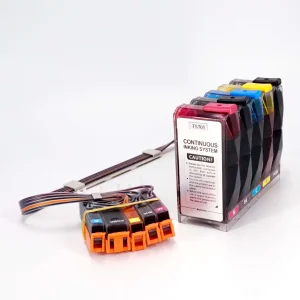
Systems feature automated ink circulation (especially for white pigment inks), auto-capping stations, timed positive-pressure purging, and localized ink warming. These automated systems preserve nozzle viability even during non-operational weekend periods.
Yes. As an original solution supplier, Guangzhou Axis Print offers custom hardware modification, conveyor belt automation, robotic loader integration, and custom API connections for factory MES/ERP production ecosystems.
Standard machine models ship within 10–15 business days. International buyers receive lifetime remote technical diagnostics, online operator training, multi-language technical documentation, and immediate access to replacement parts and consumables.
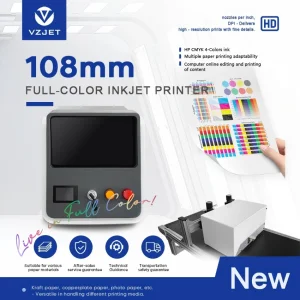
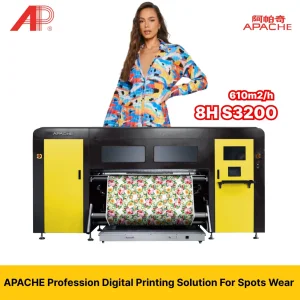
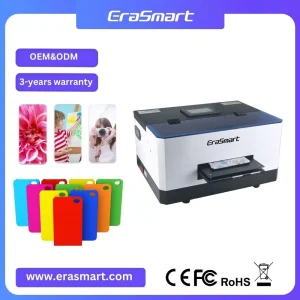
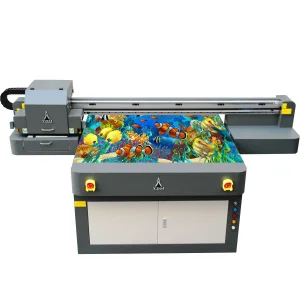
Explore our full machine lineup engineered for wide-format, high-speed, and multi-substrate applications.

 Axis Print