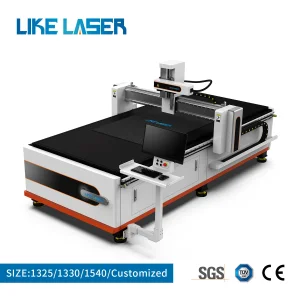
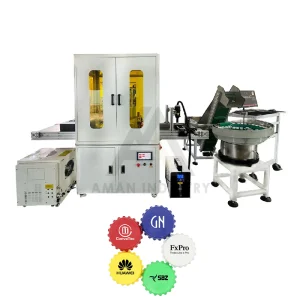
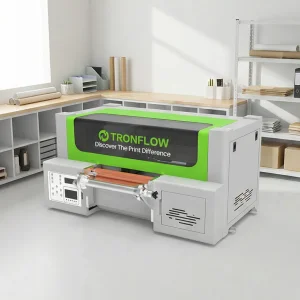
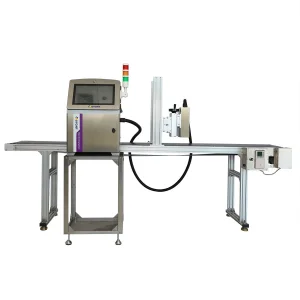
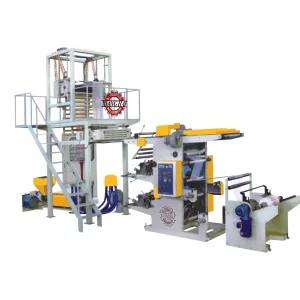
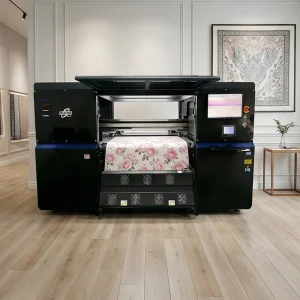
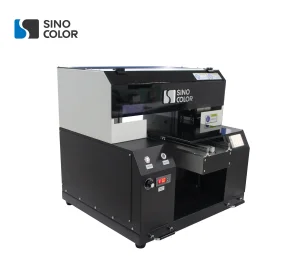
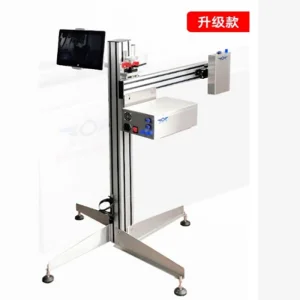
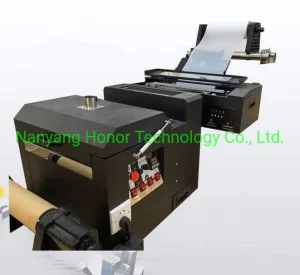
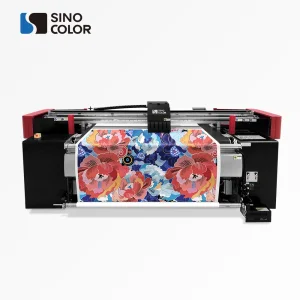
Explore our leading machinery designed for industrial-scale customization, high-speed output, and substrate flexibility.


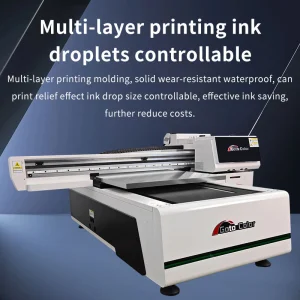
Guangzhou Axis Print Co., Ltd. represents a cornerstone in the global industrial printing sector, driving the continuous expansion of modern high-performance solutions. By integrating cutting-edge surface decoration workflows and advanced inkjet technology, the company empowers manufacturing operations worldwide. Headquartered in Guangzhou, they excel in deploying robust inkjet platforms that deliver critical advantages: unmatched mechanical precision, operational flexibility, and energy efficiency for dynamic production environments.
With a concentrated focus on industrial digital printing, surface treatment, and inkjet integration, Axis Print delivers versatile equipment tailored for demanding industrial sectors such as textiles, ceramics, glass, and building materials. The ultimate value of their equipment lies in its capacity to streamline complex production workflows. Operators transition seamlessly from original design graphics to finished products, significantly reducing material waste, chemical footprint, and overall operational costs.
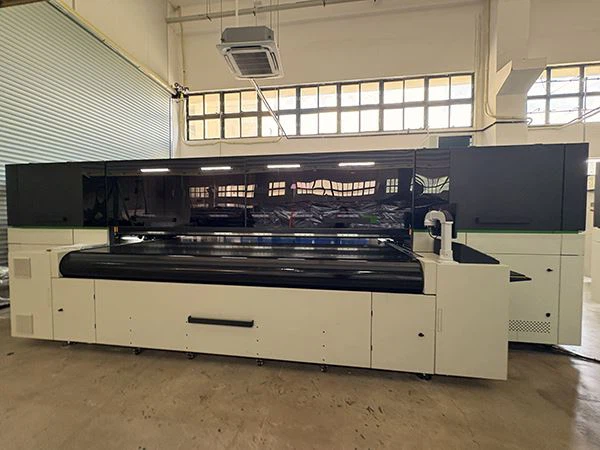
"Integrating intelligent control units with high-frequency printhead voltage calibration allows Guangzhou Axis Print Co., Ltd. to bridge the gap between custom short-runs and high-volume industrial processing."
At the core of the company's innovation is its advanced inkjet technology, which ensures high-resolution output, consistent color performance, and compatibility with a wide range of substrates. By combining intelligent control systems with automated production capabilities, Axis Print empowers manufacturers to scale operations while maintaining strict quality standards. This balance of engineering discipline and custom versatility serves as a blueprint for the leading companies profiled in our whitepaper.
Top Tier Factories Audited
DPI Resolution Capabilities
Average Waste Reduction
Global Service Hubs Available
Procuring a digital label printer or a wide-format industrial inkjet unit is no longer a simple transactional purchase; it is a long-term capital investment. Global procurement managers face major structural decisions when selecting printing platforms. The primary technical considerations focus on printhead architectures, ink chemistries, mechanical drive engineering, and color rendering accuracy.
The selection of printheads dictates the production output, durability, and resolution limits of any digital printer. In recent years, the Epson i3200 series has dominated the mid-to-high industrial range due to its PrecisionCore MicroTFP technology. It delivers high-density print-nozzle arrays that allow for variable droplet sizes, yielding smooth gradients and exceptionally sharp text. For heavy industrial, round-the-clock label manufacturing, Kyocera and Ricoh Gen6 printheads are often preferred for their structural robustness and ability to operate continuously under high-duty cycle conditions, albeit at a higher initial capital expense.
A digital label printer must function effectively across diverse substrates, from standard self-adhesive paper to synthetic films like PET, PVC, PP, and metallized materials. A critical performance bottleneck lies in ink chemistry. UV-curable and UV-LED inks offer instantaneous curing, enabling high-speed processing without requiring external drying tunnels. The chemical composition must align with the substrate surface tension (measured in dynes/cm) to ensure robust adhesion and prevent color bleeding or peeling under high-humidity or abrasive conditions.
Global procurement teams often source their digital printing systems from China because of the region's unique supply chain ecosystems. Modern manufacturing in districts like Guangzhou has evolved beyond basic low-cost production to offer advanced technological integration and specialized industrial clusters.
Industrial Clustering and Component Ecosystems: The concentration of printhead controller board developers, precision steel rail manufacturers, UV-curing assembly plants, and specialized RIP software providers in Southern China reduces production cycle times. This cluster ensures that factories can secure premium components, perform rigorous QA runs, and offer customizable configurations with shorter lead times than Western competitors.
R&D Agility and Custom Engineering: Unlike legacy manufacturers with rigid, multi-year product development cycles, Chinese digital printer suppliers like Guangzhou Axis Print Co., Ltd. can adapt quickly. They customize physical chassis, design modular printhead carriage assemblies, and integrate specialized material feed systems within weeks, allowing buyers to respond swiftly to changing market trends.
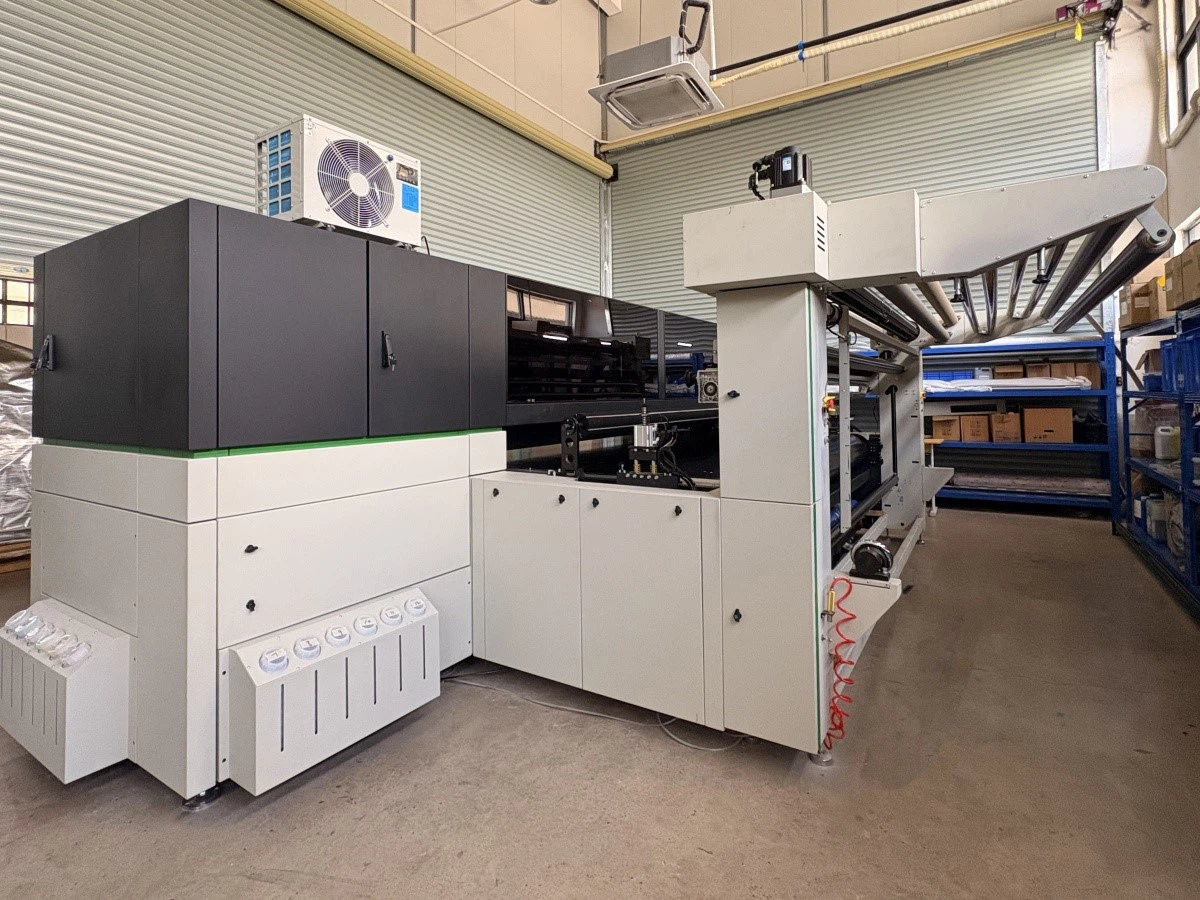
Sourcing digital label printing machinery requires rigorous compliance verification to prevent import delays and legal liability. Industrial buyers must verify that the equipment complies with regional safety and environmental standards. Key certifications include CE marking for the European Economic Area, UL/CSA standards for North American electrical safety, and FCC certifications for electromagnetic compatibility.
Additionally, localized operational support is a critical factor for long-term ROI. The primary cause of investment failure in imported machinery is the lack of immediate spare parts or specialized technical support. Forward-thinking manufacturers address this by establishing global networks that feature digital remote diagnostics, localized field technicians, and regional parts distribution hubs. This ensures that essential components like replacement ink pumps, encoders, and printhead carriage cables can be dispatched immediately.
For chemical compliance, the inks supplied with digital printing platforms must meet strict environmental and health regulations. Products must comply with REACH and RoHS regulations in the European Union, as well as VOC (Volatile Organic Compounds) emission limits in the US. Implementing low-odor, low-emission UV-LED formulations allows companies to operate within metropolitan areas without needing high-cost air scrubbers or venting infrastructure.
The industrial label and packaging sector is transitioning from traditional analog workflows to hybrid digital systems. Key trends reshaping the industry include:
Custom Craft Beverage Labeling: Small-batch breweries and artisanal wineries use digital label printers to produce highly customized, short-run bottle labels with textured finishes, avoiding the high setup costs of flexographic plates.
Automotive and Industrial Component Marking: High-resolution industrial marking systems print durable barcodes, serialization tracking numbers, and compliance ratings directly onto plastic cabling, rubber hoses, and alloy surfaces designed to withstand heat and chemical exposure.
High-End Cosmetic and Premium Goods Packaging: Luxury cosmetic brands use flatbed UV printing to print intricate metallic patterns and high-build tactile spot varnishes directly onto glass bottles, acrylic compacts, and wooden closures, enhancing shelf appeal.
Essential technical answers for procurement directors, operations managers, and plant engineers.
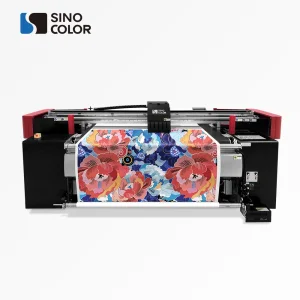
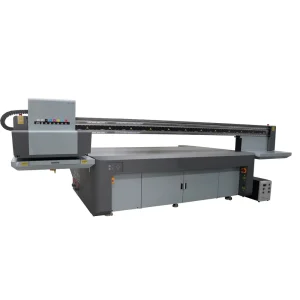
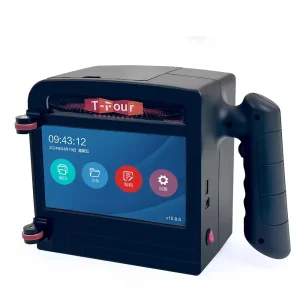
Review our specialized machinery solutions, including wide-format printers, textile lines, and high-precision handheld units.
 Axis Print