When exploring the world of printing technology, one might wonder what is the difference between UV printing and inkjet printing. Both methods are popular in various industries, from packaging to signage. However, their applications and outcomes can significantly differ. Understanding these differences can help businesses choose the right printing technique for their needs.
UV printing utilizes ultraviolet light to cure or dry the ink as it is printed. This results in vivid colors and sharp details, making it suitable for a range of materials, including plastic, metal, and glass. On the other hand, inkjet printing uses liquid ink, which can take longer to dry and may not adhere well to non-porous surfaces. This distinction is crucial for businesses that prioritize speed and durability.
While UV printing offers advantages, it is essential to consider its limitations. The equipment can be costly, and maintenance is vital for optimal performance. Inkjet printing, while more accessible, may not always deliver the desired quality for high-end projects. An informed choice requires weighing these factors carefully.
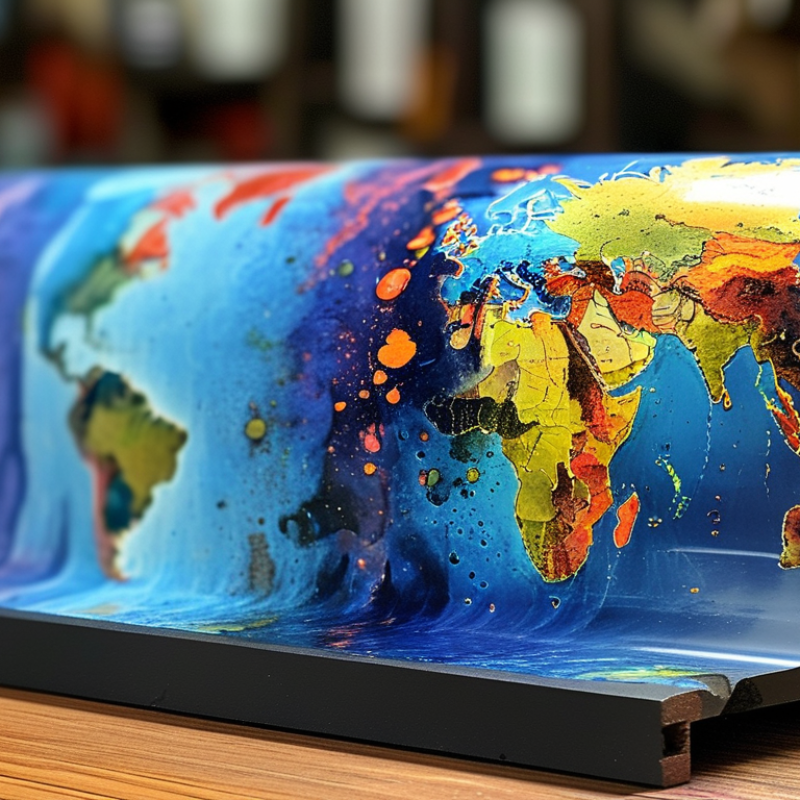
Differences in Printing Technology: UV vs. Inkjet Explained
When comparing UV printing to inkjet printing, distinct differences in technology emerge.
UV printing utilizes ultraviolet light to cure inks instantly, allowing for vibrant colors and sharp images.
This technology excels on non-porous materials, making it ideal for signage and promotional items.
In contrast, inkjet printing relies on liquid inks that soak into paper, leading to varied results on different surfaces.
According to industry reports, UV printing produces less waste. The curing process minimizes drying time, resulting in faster production speeds.
A study found that businesses using UV printing can increase their output by up to 50%. Inkjet printing, while versatile, often requires longer drying times, which can hinder productivity.
Choosing between these methods depends on your needs. For businesses focused on sustainability, UV printing offers a reliable option.
Yet, inkjet remains a staple for projects requiring lower volume and detailed color blending.
Consider the project requirements carefully. Narrow down your options based on material and time constraints.
Assess the balance between cost and quality for better decision-making. Keep in mind that while UV printing offers greater durability,
inkjet can provide the subtlety needed for complex designs. Each method has strengths and weaknesses; understanding them will guide your choice.
Application Versatility: Where UV Printing Shines Over Inkjet
UV printing stands out in terms of application versatility. Its ability to print on various surfaces is remarkable. From glass to metal, UV printing adheres well, ensuring vibrant colors and sharp details. This versatility meets the demands of different industries, including packaging, signage, and promotional materials. Customers often seek unique textures or finishes, and UV printing can accommodate those requests with ease.
Inkjet printing, while popular, has limitations. It typically works best on paper and traditional surfaces. Trying to print on unconventional materials may lead to smudges or poor adhesion. Some users express frustration when they need results on special substrates. This is where UV printing truly shines, offering solutions where inkjet printing falls short.
However, UV printing isn’t flawless. The initial investment can be significant. Maintaining UV printers requires skilled technicians to troubleshoot issues. Users must consider these factors when deciding which technology suits their needs. There is no one-size-fits-all; each method has its pros and cons. Balancing flexibility with cost is crucial for any business.
Speed and Efficiency: Comparing Production Rates of Both Methods
UV printing and inkjet printing both serve unique purposes in the printing industry. When it comes to speed and efficiency, UV printing holds a significant advantage. Industry reports indicate that UV printers can produce prints at speeds up to 50% faster than traditional inkjet systems. This is particularly relevant for businesses that need fast turnaround times. UV printing begins curing immediately upon contact with the substrate, eliminating the wait for drying.
However, inkjet technology still has its merits. While it may lag in speed, inkjet systems excel in producing gradients and intricate designs. They often deliver deeper color saturation, making them ideal for projects that require high-quality images. According to market analysis, inkjet printing typically operates at a rate of 1,200 square feet per hour, compared to UV printing's brisk 1,800 square feet. These metrics can vary widely based on the printer model and application.
Despite these figures, some challenges remain. UV printing can sometimes lead to over-saturation, resulting in a glossy finish that may not meet design specifications. On the other hand, inkjet printers might struggle with consistent color reproduction over large print runs. As businesses weigh their options, the choice between these two printing methods heavily depends on project needs and production goals.
Cost Analysis: Material and Operational Expenses of UV vs. Inkjet
When comparing UV printing and inkjet printing, cost analysis is crucial. UV printing often has higher upfront expenses.
The machinery is advanced, requiring substantial investment. However, operational costs can be lower due to durability.
UV prints resist fading and damage, reducing the need for reprints.
Inkjet printing has a lower initial cost. The machines are more affordable, making them accessible for small businesses.
However, the inks used can be pricier in the long run. Frequent replacements may lead to increased costs, especially as
production scales up. The longevity of prints may pose a challenge, necessitating more frequent updates and reprints.
For efficient budgeting, consider material costs carefully. Analyze the types of substrates you intend to use. Some
materials work better with UV while others suit inkjet applications. Always seek additional advice from professionals
in the printing industry. This helps in making informed decisions and avoiding costly errors.
Durability and Quality: Print Longevity and Surface Finish Differences
UV printing and inkjet printing differ significantly in durability and quality. UV printing uses ultraviolet light to cure the ink as it is applied. This creates a hardened layer that is resistant to scratching and fading. The prints produced are often more vibrant and can withstand exposure to the elements. They are ideal for outdoor signage and products that must endure various environmental conditions.
On the other hand, inkjet printing relies on liquid ink that seeps into the material. While it can produce high-resolution images, the longevity of the print can be a concern. Over time, colors may fade, especially when exposed to direct sunlight. Inkjet prints may require lamination for added protection. This adds time and cost to projects. Understanding these differences is crucial when selecting a method for printing tasks.
While UV printing excels in durability, it may lack some subtleties in texture. Inkjet prints can offer a softer feel but compromise on resistance. Each method has its strengths and weaknesses. Careful consideration of the intended use and environment will guide optimal choices. Balancing quality, longevity, and budget is vital for effective results.
Top 10 Differences Between UV Printing and Inkjet Printing
| Aspect |
UV Printing |
Inkjet Printing |
| Durability |
Highly durable, resistant to scratches and UV light |
Less durable, can fade and scratch easily |
| Surface Finish |
Glossy and high-quality finish |
Typically matte, dependent on substrate |
| Print Speed |
Fast printing speeds |
Slower than UV printing |
| Ink Composition |
Uses UV-curable inks |
Uses water-based or solvent inks |
| Substrate Compatibility |
Wide range including non-porous materials |
Best for porous surfaces |
| Color Vibrancy |
Vibrant colors due to curing process |
Colors may appear duller |
| Environmental Impact |
Lower VOC emissions |
Higher VOC emissions |
| Setup Time |
Quicker setup times |
Longer setup required |
| Cost |
Generally higher initial costs |
Lower initial costs |
| Applications |
Ideal for signage, packaging, and custom items |
Best for photo printing and fine art reproduction |
FAQS
: UV printing can produce prints up to 50% faster than traditional inkjet systems.
UV printing cures immediately upon contact with the substrate, eliminating drying time.
Inkjet printing excels in producing gradients and intricate designs with deeper color saturation.
UV printing operates at about 1,800 square feet per hour, while inkjet prints at 1,200 square feet.
UV printing has higher upfront costs, but lower operational costs due to durable prints.
Yes, UV printing can lead to over-saturation, sometimes resulting in an undesired glossy finish.
Inkjet printers may struggle with consistent color reproduction, especially over large print runs.
Different materials may perform better with either UV or inkjet printing; proper analysis is essential.
Seeking professional advice from the printing industry can help inform decisions and avoid mistakes.
Inkjet prints may require more frequent updates and reprints due to lower durability compared to UV prints.
Conclusion
In exploring what is the difference between UV printing and inkjet printing, we find key distinctions across various aspects. Firstly, the technology employed differs fundamentally; UV printing uses ultraviolet light to cure the ink as it is printed, allowing for quick drying and vibrant colors, while inkjet relies on liquid inks that are absorbed by the substrate. This leads to differences in application versatility, where UV printing excels with a broader range of materials.
Additionally, when comparing speed and efficiency, UV printing generally outpaces inkjet methods, making it suitable for high-volume production. However, the operational costs differ, with UV printing often requiring higher initial investments in equipment and materials. Lastly, durability and quality are notable, as UV prints tend to be more resistant to fading and wear due to their cured surface finish. Ultimately, understanding these differences allows businesses to choose the right printing method tailored to their specific needs.

 Axis Print