When considering a digital printer for manufacturing, industry experts emphasize the importance of thorough evaluation. According to a report by Smithers Pira, the global digital printing market is projected to reach $25 billion by 2025. This highlights the increasing significance of digital technology in manufacturing sectors. "It's critical to understand what to consider when buying a digital printer for manufacturing," says John Miller, a leading expert in printing technologies.
Choosing the right printer involves examining key factors like speed, quality, and cost-effectiveness. Various manufacturers may have different needs, making it essential to tailor choices accordingly. Additionally, understanding the total cost of ownership is vital. It not only includes the purchase price but also maintenance and operational expenses.
Investors often overlook many features or get swayed by brand popularity. This can lead to regrets down the line. An informed decision grounded in specific requirements will ensure that the digital printer chosen remains an asset in the long run. Each choice made today should reflect an understanding of future needs and technological advancements.
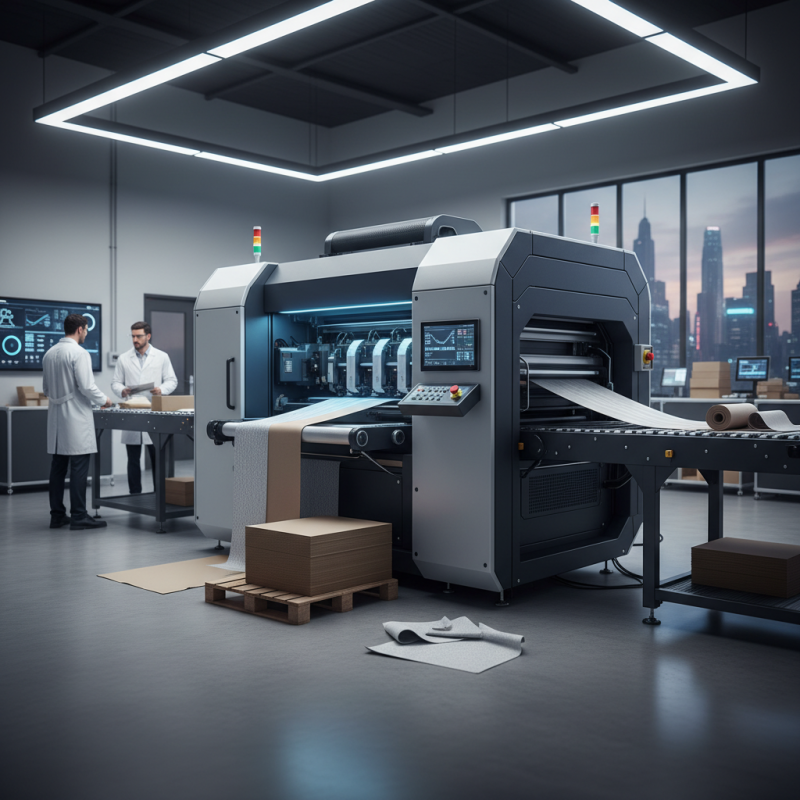
Key Specifications to Analyze When Choosing a Digital Printer for Manufacturing
When choosing a digital printer for manufacturing, it’s crucial to analyze several key specifications.
One essential factor is print speed. According to a report by
Smithers Pira, print speeds can vary
widely, from 30 to 120 feet per minute. Faster print speeds can increase production
efficiency, but there's often a trade-off with print quality. Balancing speed and quality is vital.
Another critical element is resolution. The printing resolution
affects the clarity and detail of the output. A standard resolution for digital printers ranges from
600 to 1200 DPI (dots per inch). Higher resolutions provide more detailed imagery but
can slow production times. You may find that, for certain applications, a lower DPI suffices, emphasizing
the need for a thorough evaluation of your specific requirements.
Additionally, the type of ink used can impact both cost and
compatibility with various substrates. Water-based inks are eco-friendly, while UV inks offer durability.
However, transitioning between different ink types can require extensive adjustments to the machinery.
Careful consideration of these aspects can help avoid unexpected challenges during manufacturing. Each
choice influences operational efficiency and final product quality.
Comparison of Ink Types: UV, Solvent, and Aqueous for Industrial Applications
When selecting a digital printer for manufacturing, understanding ink types is crucial. UV, solvent, and aqueous inks are popular choices. UV inks cure quickly under ultraviolet light, making them ideal for fast production. However, they may not adhere well to all surfaces. Solvent inks offer durability and flexibility. They work well on various materials but can emit volatile organic compounds (VOCs). Aqueous inks are eco-friendly and safe. They perform best on absorbent surfaces but may not withstand outdoor conditions.
Consider these tips: Assess your production volume. High-volume projects might benefit from UV due to speed. Evaluate the material you’ll print on; solvent is versatile, while aqueous suits paper. Test samples to see how colors pop and hold up. Some manufacturers prefer UV for its quick turnaround. Others choose solvent for its robustness. Each ink type has advantages and downsides that can impact your project.
Remember to reflect on your specific needs. Pricing, maintenance, and environmental considerations all matter. Your choice should align with your production goals and market demands. Take your time to research and test different options. The right ink can enhance quality and efficiency in your manufacturing process.
Comparison of Ink Types: UV, Solvent, and Aqueous for Industrial Applications
This chart compares the various properties of different ink types commonly used in industrial digital printing applications. The factors considered include Durability, Drying Time, Cost, and Environmental Impact.
Understanding Print Speed and Quality Metrics in Manufacturing Digital Printers
When considering a digital printer for manufacturing, print speed and quality are crucial metrics. Print speed refers to how quickly the printer can produce materials. A fast printer can enhance productivity, but speed should not compromise quality. Organizations often find balancing these two metrics challenging. It requires careful evaluation of the manufacturing process and production goals.
Quality metrics encompass resolution, color accuracy, and consistency. High resolution impacts the visual appeal of printed materials. Moreover, color accuracy ensures the final product adheres to brand standards. Manufacturers must assess whether their output quality meets customer expectations. Inadequate quality can lead to dissatisfied clients and increased waste.
Understanding these metrics is essential, but it's equally important to consider individual business needs. Some manufacturers may prioritize speed for larger runs, while others might focus on quality for detailed projects. This decision-making process is often iterative and requires ongoing adjustments as market demands change. Balancing speed and quality is not always straightforward and may necessitate further reflection and adjustments over time.
Evaluating Cost-Effectiveness: Initial Investment vs. Long-Term Operation Costs
When considering a digital printer for manufacturing, evaluating cost-effectiveness is vital. The initial investment can be daunting. Many printers have a high upfront cost, which can deter purchases. Businesses must weigh these costs against long-term operational expenses.
Operating costs often include maintenance, ink, and energy consumption. These factors can significantly impact your budget over time. A cheaper printer may seem appealing, but it could lead to higher costs later. Reliability is key here; a robust printer may save you money on repairs and downtime.
It's also essential to assess the printing volume and material types. Certain printers may excel with specific materials. If you switch materials frequently, flexibility becomes crucial. Understanding your manufacturing needs can help you select a printer that balances initial and long-term costs effectively. Always think through the implications of your choices to avoid regretting your decision later.
Assessing Compatibility with Materials: Versatility in Digital Printing Solutions
When considering a digital printer for manufacturing, assessing compatibility with various materials is crucial. Many manufacturers overlook this aspect and later face challenges. According to a recent industry report, around 70% of production delays arise from material incompatibility. This points to a vital need for versatility in digital printing solutions.
Digital printers should work well with diverse substrates. Whether it’s textiles, plastics, or metals, each material has unique requirements. Research indicates that printers designed for multiple materials can increase operational efficiency by up to 40%. This versatility allows for creative designs and faster production cycles. However, not all printers achieve this seamlessly. Potential buyers must evaluate the technical specifications closely.
Manufacturers should also consider the potential for future material compatibility. As trends evolve, new materials continue to emerge, making adaptability essential. A study highlights that investing in printers capable of handling emerging materials can future-proof operations. The challenge lies in staying informed about these developments and choosing a printer that aligns with both current and future needs. The wrong choice can lead to wasted resources and missed opportunities.
Top Factors to Consider When Buying a Digital Printer for Manufacturing
| Feature |
Importance |
Compatibility with Materials |
Versatility |
| Print Quality |
High |
Compatible with various substrates |
Supports multiple printing styles |
| Speed |
Medium |
Processes various printing jobs quickly |
Versatile in handling large volumes |
| Cost of Operation |
High |
Efficient ink usage on varied materials |
Affordable for diverse applications |
| Ease of Use |
High |
User-friendly interface for material settings |
Adapts to various production environments |
| Maintenance Needs |
Medium |
Moderate requirement for material changes |
Sufficient versatility with minimal downtime |
Conclusion
When considering what to consider when buying a digital printer for manufacturing, it is essential to evaluate several key specifications. This includes analyzing the type of ink utilized—whether UV, solvent, or aqueous—which can significantly impact the quality and durability of prints in industrial applications. Additionally, understanding print speed and quality metrics is crucial for meeting production demands while maintaining high standards.
Another important factor is the cost-effectiveness of the printer, which involves weighing the initial investment against long-term operational costs. Assessing the compatibility of the printer with various materials also plays a vital role, ensuring versatility in digital printing solutions. Ultimately, a thorough analysis of these factors will help manufacturers select a digital printer that best fits their operational needs and objectives.

 Axis Print